The email landscape is undergoing its most significant transformation in years. As we move through 2026, email delivery services face unprecedented challenges and opportunities driven by stricter authentication requirements, advanced artificial intelligence, and evolving privacy regulations. For IT administrators, email marketers, and security-conscious business leaders, understanding these email delivery services 2026 trends isn’t optional—it’s essential for maintaining inbox placement and protecting brand reputation.
The stakes have never been higher. Major inbox providers are enforcing authentication protocols at the policy level, rejecting millions of unauthenticated messages daily. Meanwhile, sophisticated machine learning algorithms are redefining what it means to achieve optimal deliverability. Organizations that fail to adapt risk watching their email programs collapse under the weight of bounces, spam complaints, and sender reputation damage.
Artificial intelligence has moved from experimental technology to core infrastructure component in email delivery. Machine learning algorithms now power sophisticated deliverability optimization systems that would have seemed like science fiction just a few years ago.
Modern email delivery platforms leverage AI to analyze vast datasets of sending patterns, recipient engagement, and bounce behaviors. These systems identify optimal send times for individual recipients based on historical open and click patterns, dramatically improving engagement rates. Rather than blasting emails at arbitrary times, AI-driven platforms send messages when recipients are most likely to engage.
Predictive bounce detection represents another breakthrough application. Machine learning models analyze recipient domains, email address patterns, and historical delivery data to predict which addresses will bounce before sending occurs. This proactive approach protects sender reputation by preventing deliverability issues rather than reacting to them.
Engagement pattern analysis has become increasingly sophisticated. AI systems now detect subtle signals indicating recipient interest levels, adjusting sending frequency and content strategies accordingly. When engagement declines, these systems automatically reduce sending volume to specific segments, preventing the reputation damage that comes from continually emailing disengaged recipients.
Dynamic sending behavior adjustment closes the optimization loop. Based on real-time feedback from inbox providers, AI systems modify sending speeds, adjust IP allocation, and even pause campaigns when early indicators suggest deliverability problems. This responsive approach to email deliverability trends ensures issues are contained before they escalate into major problems.
Brand Indicators for Message Identification (BIMI) has transitioned from niche specification to mainstream requirement. In 2026, displaying verified brand logos directly in recipient inboxes is no longer a competitive advantage—it’s a baseline expectation for professional email communications.
BIMI works by allowing organizations to display their trademarked logos alongside authenticated emails in supporting inbox providers. When recipients see a familiar brand logo next to an email, trust increases significantly. This visual authentication helps legitimate messages stand out in crowded inboxes while making phishing attempts more obvious by their absence of verified branding.
Implementation requires proper email authentication foundations. Organizations must have DMARC policies set to enforcement (p=quarantine or p=reject) before BIMI will function. Additionally, most major inbox providers require Verified Mark Certificates (VMCs) issued by authorized certificate authorities. These certificates prove legal trademark ownership, preventing bad actors from displaying logos they don’t own.
The business impact extends beyond aesthetics. Emails displaying verified BIMI logos consistently achieve higher open rates and click-through rates compared to unbranded messages. Recipients have become conditioned to look for these visual trust signals, particularly when dealing with financial institutions, e-commerce platforms, and other organizations handling sensitive information.
For organizations still on the fence about BIMI implementation, 2026 marks the tipping point. As adoption becomes universal among major brands, emails lacking verified logos increasingly appear suspicious or unprofessional, regardless of their actual legitimacy.
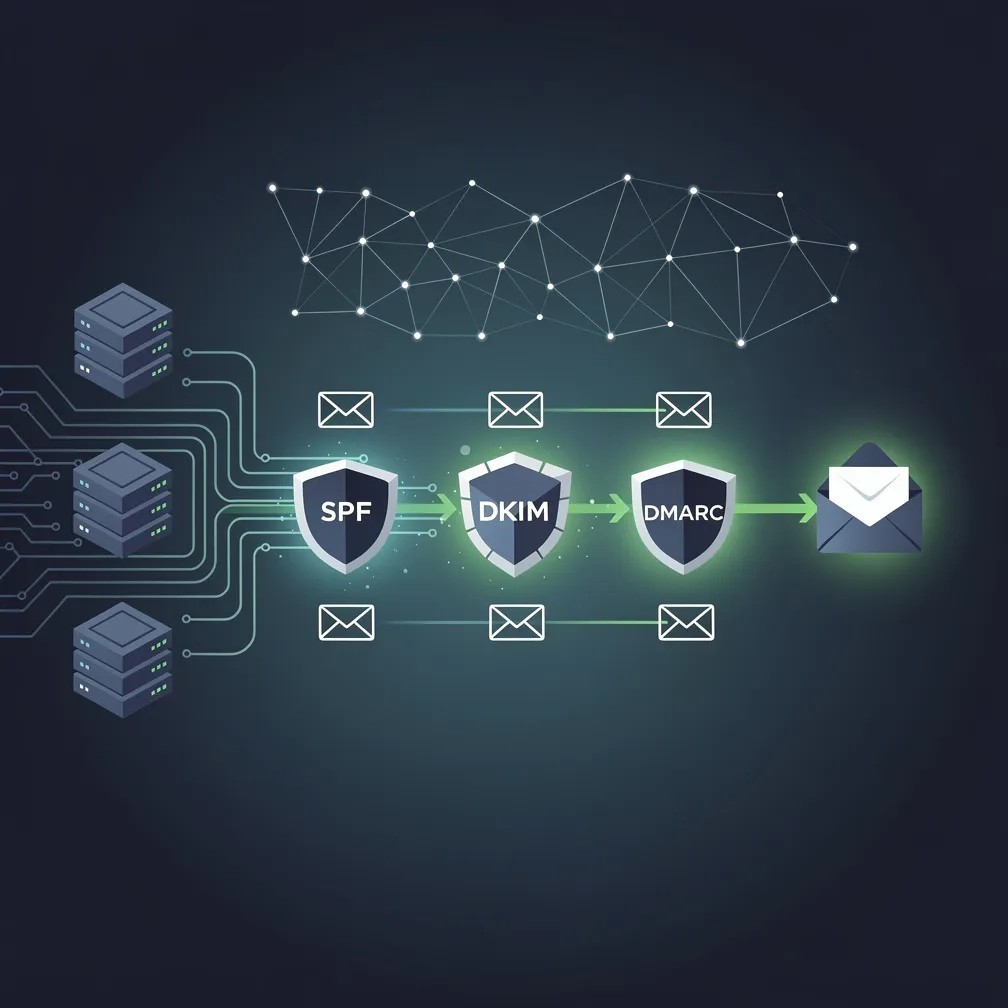
The authentication landscape has fundamentally shifted. Google, Microsoft, and Yahoo have moved from recommending authentication protocols to strictly enforcing them at the policy level. Understanding these requirements is critical for anyone focused on email authentication best practices.
SPF (Sender Policy Framework), DKIM (DomainKeys Identified Mail), and DMARC (Domain-based Message Authentication, Reporting, and Conformance) are no longer optional configurations. Major inbox providers now reject unauthenticated bulk email outright, treating missing authentication as a strong spam signal.
DMARC policy levels carry particular significance. Organizations publishing DMARC records with p=reject are instructing inbox providers to reject any email failing authentication checks. While this aggressive stance protects against spoofing and phishing, it also means configuration errors can prevent legitimate emails from reaching recipients. Organizations must thoroughly test their authentication setup across all sending sources before implementing p=reject policies.
The enforcement extends beyond simple presence of authentication records. Inbox providers now validate that SPF, DKIM, and DMARC align properly, checking that the domain in the From address matches authenticated domains. Misalignment results in authentication failure even when individual protocols are technically configured.
Third-party sending services present particular challenges. Organizations using multiple email platforms, marketing automation tools, and transactional email services must ensure each provider properly authenticates on their behalf. A single misconfigured service can damage sender reputation across all email programs.
Privacy regulation evolution and third-party cookie deprecation have fundamentally altered email marketing strategies. In 2026, successful email programs are built on first-party and zero-party data rather than purchased lists or third-party audience segments.
First-party data—information collected directly from customers through owned channels—has become the foundation of effective email programs. This shift emphasizes list quality over list size, with engaged, consenting subscribers delivering far better results than large, purchased databases.
Consent-based sending has evolved from legal requirement to deliverability necessity. Inbox providers increasingly use complaint rates as key reputation signals. Sending to recipients who didn’t explicitly opt in generates complaints that damage sender reputation and reduce inbox placement across all campaigns.
Preference centers have emerged as critical infrastructure components. Rather than simple unsubscribe links, sophisticated preference centers allow recipients to specify content interests, sending frequency preferences, and communication channels. This granular consent improves engagement while reducing complaints and unsubscribes.
Zero-party data collection—information customers intentionally share—represents the next evolution. Email programs now incorporate preference surveys, interest selectors, and profile enrichment opportunities that allow recipients to provide detailed information about their needs and preferences. This data enables hyper-personalized sending strategies that dramatically improve engagement.
Inbox providers have completely reimagined their filtering algorithms. Gmail, Outlook, and Apple Mail now employ sophisticated engagement-based systems that make traditional spam filtering look primitive by comparison.
Engagement signals have become the dominant factor in inbox placement decisions. Opens, clicks, replies, forwards, and time spent reading all contribute to sender reputation scoring. Conversely, deletes without opening, immediate unsubscribes, and marking messages as spam severely damage reputation.
Sender reputation scoring now operates at multiple levels simultaneously. Domain reputation, IP address reputation, and even individual campaign reputation all influence deliverability. A single poorly-performing campaign can temporarily reduce inbox placement for subsequent sends while the system evaluates whether the issue represents a persistent problem.
User behavior patterns provide increasingly granular signals. Inbox providers track whether specific recipients consistently engage with messages from particular senders, using this individual-level data to inform placement decisions. An email might reach the primary inbox for engaged recipients while landing in spam for those who never open messages from that sender.
The implication is clear: there’s no shortcut to good deliverability. Organizations must earn inbox placement through consistent delivery of valuable content to engaged, consenting recipients.
Infrastructure decisions directly impact deliverability outcomes. Organizations must carefully evaluate their email delivery architecture to ensure it supports modern email deliverability trends.
The dedicated IP versus shared pool decision requires nuanced analysis. Dedicated IP addresses provide complete control over sender reputation but require sufficient sending volume to maintain IP warmth and establish reputation. Organizations sending fewer than several hundred thousand emails monthly often achieve better results using reputable shared IP pools with established positive reputations.
IP warming strategies remain critical when launching new dedicated IPs or dramatically increasing sending volume. Gradual volume increases allow inbox providers to establish sender reputation without triggering spam filters. Rushing the warming process generates bounces and blocks that can take months to overcome.
Feedback loop integration provides essential visibility into recipient complaints. Major inbox providers offer feedback loops that notify senders when recipients mark messages as spam. Promptly removing complainers from lists prevents reputation damage and demonstrates responsive list management practices.
Infrastructure redundancy protects against service disruptions. Organizations dependent on email for critical communications should maintain relationships with multiple email delivery services, allowing rapid failover if primary systems experience issues.
Choosing the right email delivery service requires evaluating authentication support, deliverability monitoring tools, IP reputation management, compliance features, and integration capabilities. The cheapest option rarely delivers the best results when deliverability and sender reputation are considered.
Successfully navigating the 2026 email landscape requires proactive adaptation to these fundamental shifts. Organizations that treat email authentication, infrastructure optimization, and engagement-focused strategies as priorities will improve email delivery rates while competitors struggle with declining inbox placement.
Start by auditing your current authentication implementation. Verify that SPF, DKIM, and DMARC are properly configured across all sending sources. Move toward DMARC enforcement policies once you’re confident in your configuration. Investigate BIMI implementation to add verified brand logos to your authenticated emails.
Evaluate your email infrastructure against modern requirements. Ensure your email delivery service provides robust authentication support, AI-powered optimization features, and comprehensive deliverability monitoring. If you’re using dedicated IPs, verify they’re properly warmed and maintained.
Most importantly, shift your strategic focus from list size to list quality. Implement robust consent mechanisms, maintain active preference centers, and ruthlessly remove disengaged recipients. The email delivery services 2026 landscape rewards quality engagement over volume.
At Email Delivery Pro, we’ve built our platform specifically to address these evolving requirements. Our infrastructure combines advanced authentication support, AI-powered send optimization, and comprehensive deliverability monitoring to help organizations achieve optimal inbox placement in this challenging environment.
The future of email delivery belongs to organizations that embrace these changes rather than resist them. The question isn’t whether to adapt—it’s how quickly you can implement these strategies before they become competitive disadvantages.