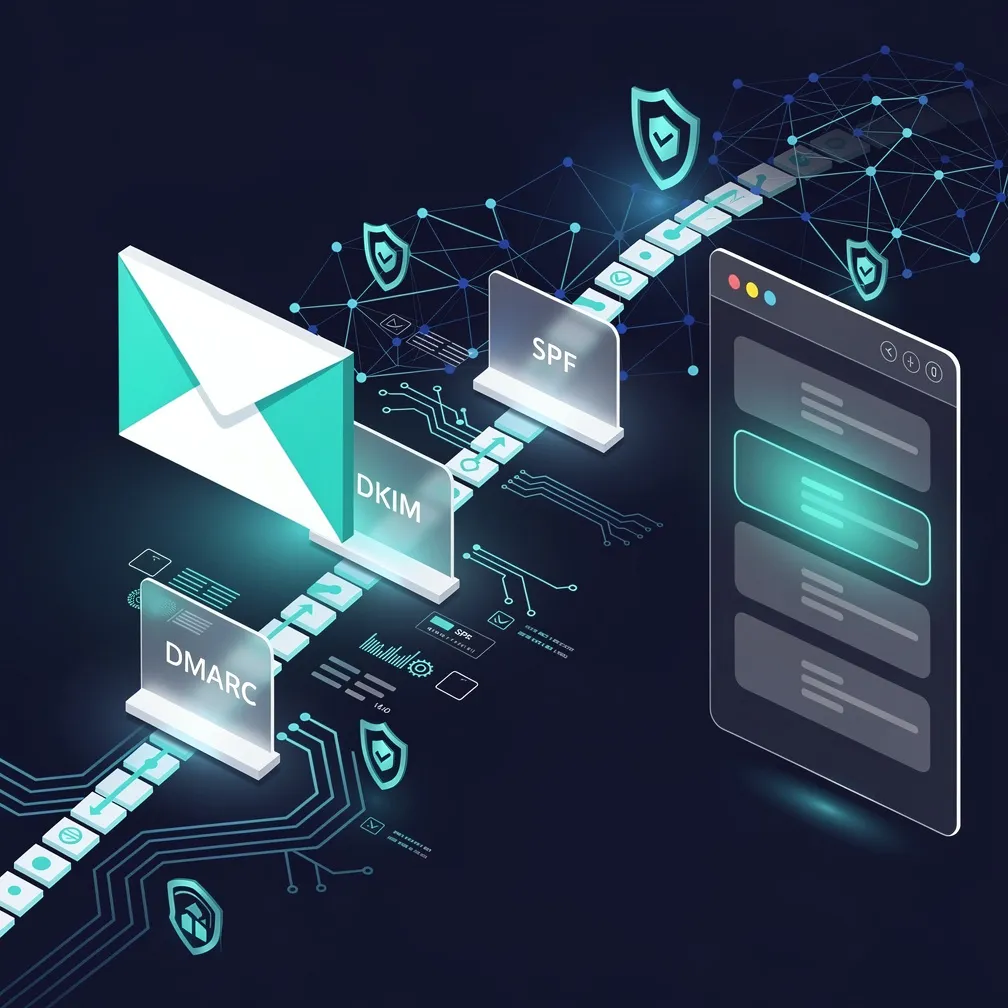
The email landscape has reached a critical inflection point. As we navigate through 2026, email delivery services face unprecedented changes driven by stricter authentication requirements, sophisticated AI technologies, and evolving mailbox provider policies. For IT administrators and email marketers, understanding these shifts isn’t optional—it’s essential for maintaining inbox placement and protecting your organization’s communication channels.
The stakes have never been higher. With major providers implementing mandatory authentication policies and bad actors becoming increasingly sophisticated, the gap between organizations with robust email infrastructure and those operating on outdated practices continues to widen. This comprehensive guide examines the most significant trends reshaping email deliverability in 2026 and provides actionable strategies for staying ahead.
Artificial intelligence has moved from experimental technology to mission-critical infrastructure in email delivery services. Machine learning algorithms now analyze millions of data points to optimize every aspect of email campaigns, fundamentally changing how organizations approach deliverability challenges.
Send-time optimization has evolved beyond simple timezone adjustments. Modern AI systems analyze individual recipient engagement patterns, historical open rates, device preferences, and behavioral signals to determine the optimal delivery window for each subscriber. These systems continuously learn and adapt, improving predictions as they process more data.
Content analysis powered by natural language processing has become equally sophisticated. AI engines evaluate subject lines, preview text, body content, and even image-to-text ratios to predict deliverability outcomes before messages leave your infrastructure. These systems flag potential spam triggers, suggest improvements, and provide predictive deliverability scoring that helps marketers refine campaigns proactively rather than reactively analyzing poor performance.
The most advanced email delivery services now incorporate anomaly detection that identifies unusual sending patterns, sudden reputation drops, or engagement anomalies that might indicate deliverability issues. This predictive approach allows technical teams to address problems before they escalate into widespread inbox placement failures.
The email authentication landscape has fundamentally transformed in 2026. Google, Microsoft, Yahoo, and other major mailbox providers have moved beyond recommendations to enforce strict DMARC policies, creating a new baseline for email delivery services.
DMARC enforcement means that emails failing authentication checks face increasingly severe consequences—from inbox placement penalties to outright rejection. Mailbox providers have made clear that unauthenticated email represents an unacceptable security risk, and they’re using policy enforcement to drive industry-wide adoption.
For organizations still operating without proper DMARC implementation, the impact is immediate and measurable. Messages that previously reached the inbox now land in spam folders or bounce entirely. This shift affects not just marketing campaigns but critical transactional emails, password resets, and business-critical communications.
The enforcement push extends beyond simple implementation. Mailbox providers increasingly scrutinize DMARC policies themselves, favoring senders with enforcement policies (quarantine or reject) over those with monitoring-only configurations. This creates pressure for organizations to move beyond passive monitoring to active policy enforcement—a transition requiring careful planning and robust infrastructure.
While DMARC, DKIM, and SPF remain the foundation of email authentication, the implementation requirements and best practices surrounding these protocols have evolved significantly. Understanding current DMARC DKIM SPF best practices is essential for maintaining deliverability in 2026.
SPF records require tighter management as mailbox providers reduce tolerance for overly permissive configurations. The days of including entire IP ranges or multiple third-party services in SPF records are ending. Modern best practices emphasize minimal, precisely defined SPF records that explicitly list only necessary sending sources.
DKIM implementation has become more nuanced, with mailbox providers examining key lengths, rotation practices, and signing domains more closely. Organizations using 1024-bit keys face increasing pressure to upgrade to 2048-bit keys. Additionally, proper DKIM alignment—ensuring the signing domain matches the From domain—has become non-negotiable for optimal deliverability.
DMARC policies themselves require more sophisticated configuration. Subdomain policies, percentage-based rollouts, and forensic reporting options all factor into modern authentication strategies. The alignment requirements between SPF and DKIM have tightened, with relaxed alignment becoming less acceptable to major mailbox providers.
Emerging standards complement traditional authentication protocols. BIMI (Brand Indicators for Message Identification) has gained traction, allowing authenticated senders to display verified logos in recipient inboxes. While not yet universal, BIMI adoption signals a broader trend toward verified sender identity as a core component of email deliverability 2026 strategies.
Real-time reputation monitoring has evolved from periodic manual checks to continuous, automated surveillance systems integrated directly into email delivery services. Modern reputation management combines multiple data sources to provide comprehensive visibility into sender health.
Traditional blacklist monitoring remains important, but contemporary systems go much deeper. Advanced platforms track engagement metrics across mailbox providers, monitor complaint rates in real-time, analyze feedback loop data, and correlate reputation signals across multiple dimensions. This holistic approach provides early warning of deliverability issues before they significantly impact campaign performance.
Feedback loop integration has become more sophisticated, with automated processing of complaint data and immediate list hygiene actions. When recipients mark messages as spam, modern systems instantly suppress those addresses, analyze patterns to identify potential content issues, and adjust sending strategies accordingly.
Domain and IP reputation tracking now operates at granular levels, distinguishing between different sending streams, message types, and recipient segments. This segmented approach allows organizations to isolate reputation issues and protect high-priority sending streams from problems affecting other campaigns.
Proactive issue detection leverages machine learning to identify subtle reputation degradation before it becomes visible in campaign metrics. By analyzing engagement trends, authentication failures, and comparative performance across recipient domains, these systems alert administrators to emerging problems while remediation remains straightforward.
Organizations are fundamentally rethinking their email infrastructure to meet the demands of modern deliverability standards. The technical architecture supporting email delivery services has become as important as the content being sent.
The dedicated IP versus shared pool debate has evolved beyond simple volume thresholds. While dedicated IPs offer reputation control and transparency, they require consistent volume and sophisticated warm-up processes. Shared pools provide immediate sending capacity and collective reputation benefits but offer less control. Many organizations now adopt hybrid approaches, using dedicated IPs for high-volume, consistent sending while leveraging shared infrastructure for sporadic or low-volume campaigns.
IP warm-up automation has become standard practice, with email delivery services providing programmatic warm-up schedules that gradually increase sending volume while monitoring reputation signals. These automated systems adjust warm-up pace based on engagement metrics and authentication success, reducing the manual overhead traditionally associated with new IP deployment.
Segmentation strategies extend beyond audience demographics to infrastructure decisions. Organizations separate transactional email from marketing campaigns, isolate different brands or business units on separate sending infrastructure, and implement subdomain strategies that protect core domain reputation while enabling testing and experimentation.
Infrastructure redundancy and failover capabilities have become essential. Organizations implement multiple sending paths, maintain backup IP pools, and deploy geographic distribution to ensure email continuity even during provider-specific deliverability issues or infrastructure failures.
Translating these trends into action requires strategic planning and cross-functional collaboration between IT, marketing, and security teams. Here are the critical priorities for organizations serious about email deliverability:
Organizations that treat these initiatives as one-time projects will struggle. Email deliverability in 2026 requires continuous monitoring, regular optimization, and adaptive strategies that evolve with changing mailbox provider requirements.
The transformation of email delivery services represents both challenge and opportunity. Organizations that embrace mandatory authentication, leverage AI optimization, modernize infrastructure, and implement sophisticated reputation monitoring will enjoy competitive advantages in inbox placement and recipient engagement.
The technical barriers to entry have increased, creating clear differentiation between organizations with mature email operations and those relying on outdated practices. This separation will only intensify as mailbox providers continue tightening requirements and bad actors force additional security measures.
At Email Delivery Pro, we’re committed to helping organizations navigate this complex landscape with cutting-edge technology, expert guidance, and infrastructure designed for the demands of modern email deliverability. The email channel remains one of the highest-ROI marketing and communication tools available—but only for organizations willing to invest in the authentication, infrastructure, and optimization practices that ensure messages reach their intended recipients.
The question isn’t whether to adapt to these new realities, but how quickly your organization can implement the changes necessary to thrive in the evolving email ecosystem. The time for action is now.