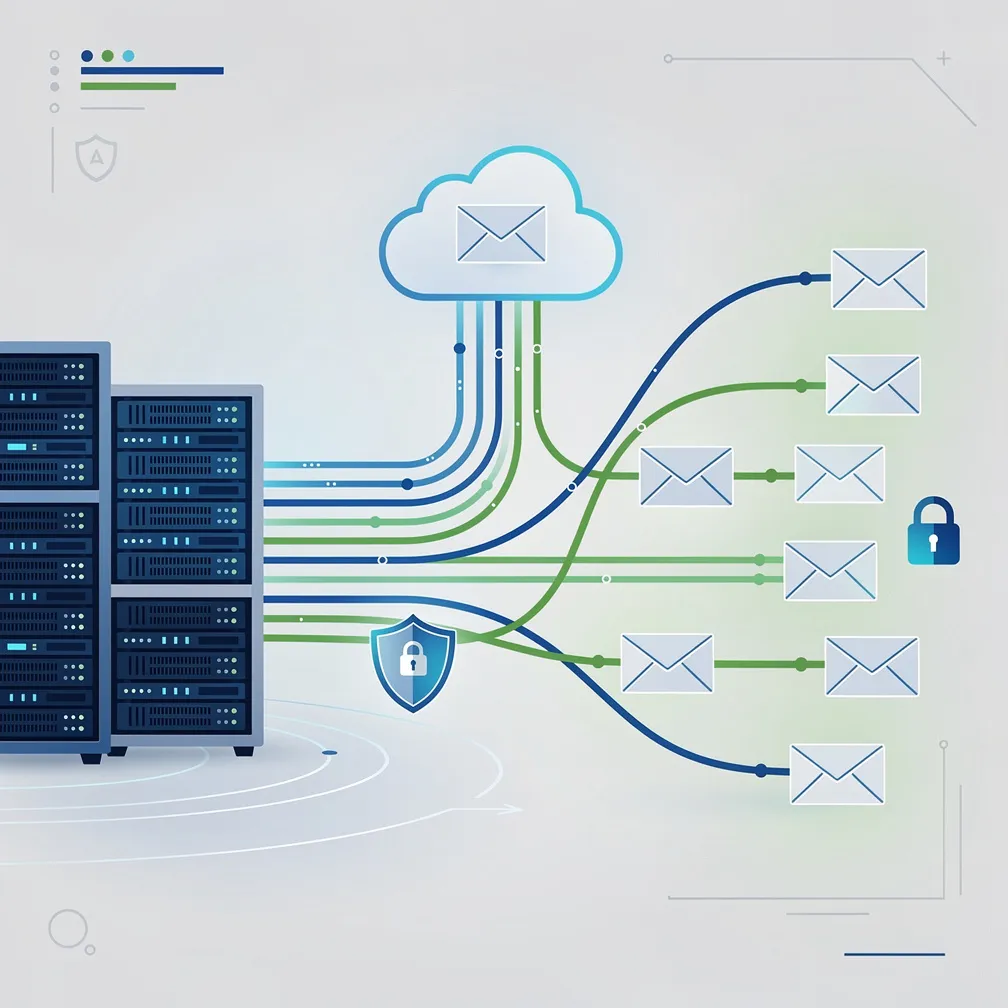
As we move through the second quarter of 2026, email delivery services continue to evolve at a rapid pace. Organizations are facing increasing pressure to ensure their critical communications reach intended recipients while navigating a complex landscape of security protocols, authentication requirements, and deliverability challenges.
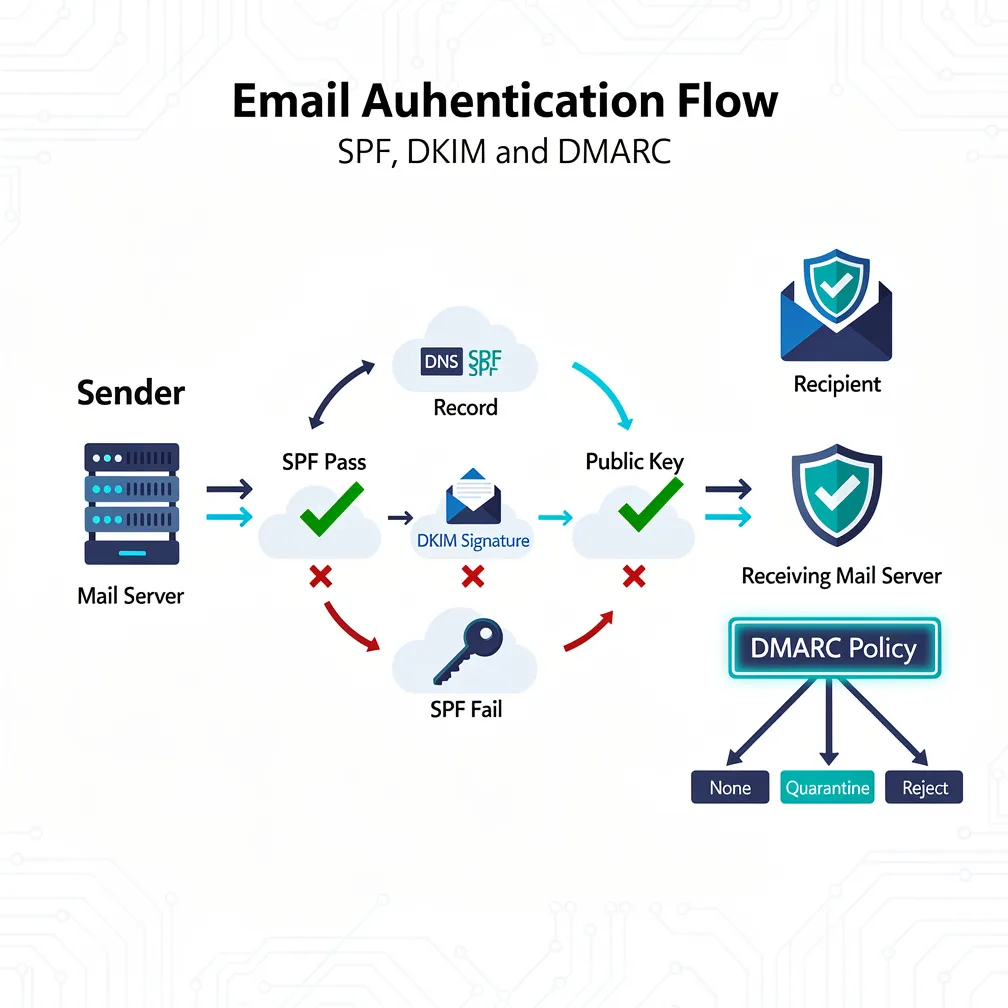
The email delivery landscape in Q2 2026 is being shaped by stricter authentication requirements from major inbox providers. Google and Yahoo’s enforcement of DMARC policies, which began in early 2024, has now become industry standard. Organizations that haven’t implemented proper SPF, DKIM, and DMARC records are seeing significant delivery failures, with rejection rates exceeding 40% in some cases.
Email delivery services are responding by offering comprehensive authentication management tools that automatically configure and monitor these protocols. The most advanced platforms now provide real-time DMARC reporting with actionable insights, helping security and IT teams identify unauthorized email sources and prevent domain spoofing attempts.
Artificial intelligence has transformed how email delivery services optimize inbox placement. Modern platforms now use machine learning algorithms to analyze sending patterns, content characteristics, and recipient engagement metrics to predict deliverability issues before they impact campaigns.
These AI-driven systems can automatically adjust sending schedules, segment audiences based on engagement likelihood, and recommend content modifications to improve inbox placement rates. Organizations leveraging these capabilities are reporting inbox placement rates above 95%, compared to industry averages of 79-83%.
In the cybersecurity landscape of 2026, email remains the primary attack vector for phishing, business email compromise, and malware distribution. Email delivery services are increasingly integrating advanced threat protection features, including sandboxing for attachment analysis, link rewriting for URL protection, and behavioral analytics to detect account takeover attempts.
Compliance requirements continue to tighten, with GDPR, CCPA, and emerging state privacy laws requiring careful management of email data and recipient preferences. Leading email delivery platforms now offer built-in compliance management tools that track consent, manage unsubscribe requests, and maintain detailed audit logs for regulatory requirements.
Organizations evaluating email delivery services in Q2 2026 should focus on several key metrics: inbox placement rate (targeting 95%+), bounce rate (below 2%), complaint rate (under 0.1%), and authentication compliance score. Additionally, delivery speed matters—modern services should achieve delivery within seconds for transactional emails and optimize bulk sending to maximize throughput without triggering rate limits.
As we progress through 2026, email delivery services will continue to evolve with enhanced security features, tighter integration with customer data platforms, and more sophisticated analytics capabilities. Organizations that invest in robust email delivery infrastructure now will be better positioned to maintain communication reliability while protecting their domains and recipients from evolving threats.